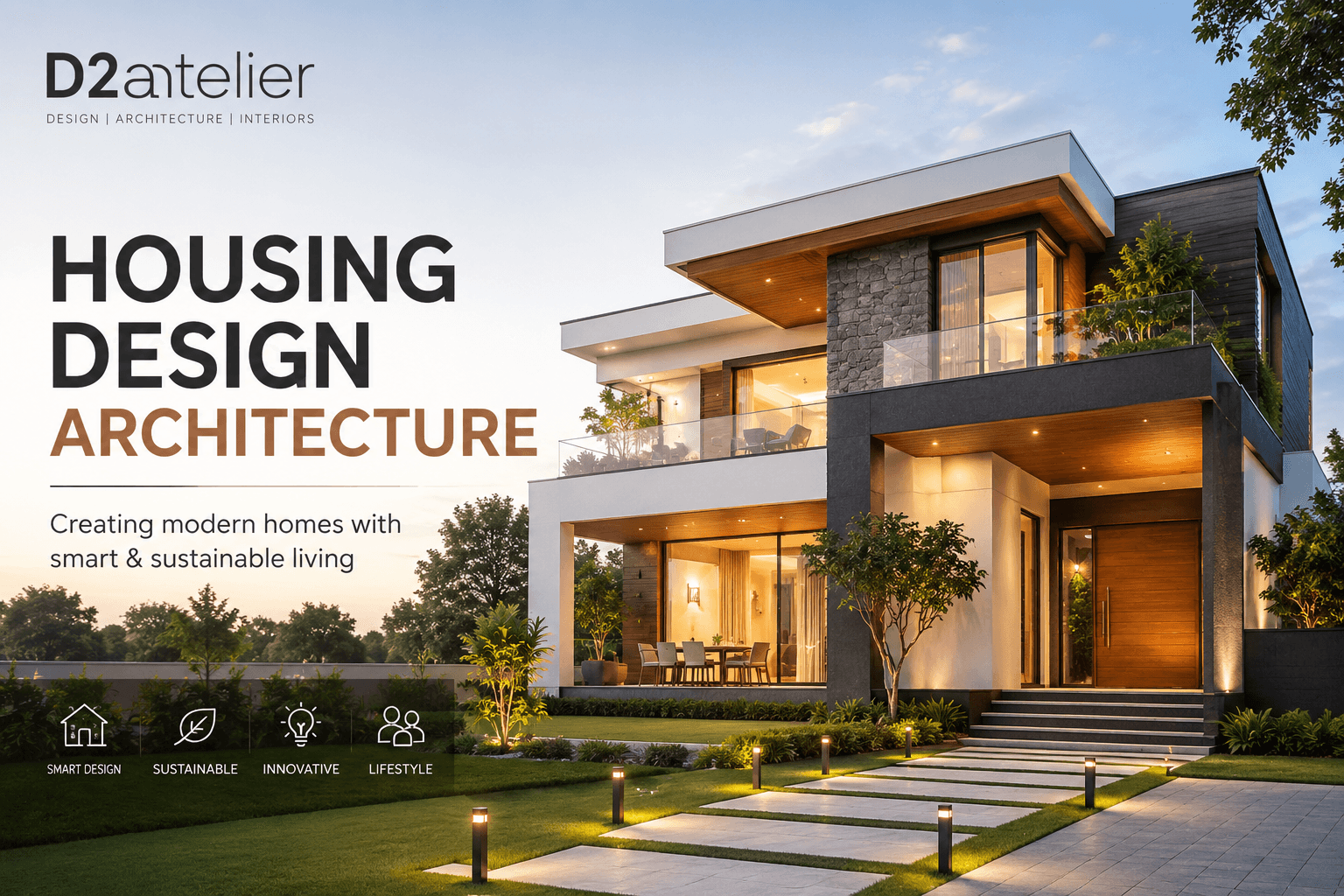
housing design architecture

Housing Design Architecture: Building Elegant & Functional Living Spaces

In today’s evolving world, housing design architecture has become an essential part of creating comfortable, modern, and sustainable homes. A house is no longer just a structure made of bricks and concrete — it represents lifestyle, personality, comfort, and future aspirations. Thoughtfully designed homes enhance the quality of life by combining aesthetics, functionality, and innovation in a balanced way.

At D2aatelier, we believe that every residential project should reflect creativity, smart planning, and timeless architectural excellence. From luxurious villas to compact urban homes, modern housing design architecture focuses on creating spaces that are beautiful, efficient, and future-ready.

Understanding Housing Design Architecture

Housing design architecture refers to the process of planning and designing residential spaces that fulfill both practical and emotional needs. It includes everything from floor planning and structural layouts to lighting, ventilation, materials, and exterior appearance.

Modern homeowners expect homes that offer:

  • Smart space utilization
  • Elegant interiors and exteriors
  • Energy-efficient systems
  • Sustainable construction
  • Comfortable living environments
  • Natural lighting and airflow
  • Advanced technology integration

A successful residential design not only looks visually appealing but also improves daily living experiences for families.

Why Housing Design Architecture Matters

A professionally designed home provides long-term benefits beyond aesthetics. Poorly planned houses often create issues related to functionality, storage, ventilation, and maintenance. Expert architectural planning ensures that every space serves a purpose while maintaining comfort and beauty.

Improved Functionality

Architects carefully design layouts to ensure smooth movement and efficient use of available space. Every room is planned according to lifestyle requirements and future needs.

Enhanced Comfort

Proper ventilation, sunlight, room orientation, and thermal balance create healthier and more comfortable living environments.

Better Property Value

Modern homes with innovative architectural designs often attract higher market demand and increased resale value.

Sustainable Living

Contemporary housing design architecture focuses on reducing environmental impact through eco-friendly materials and energy-saving systems.

Personalized Design

Professional architects customize homes according to individual preferences, family size, and lifestyle expectations.

Key Features of Modern Housing Design Architecture

Residential architecture has evolved significantly over the years. Today’s homes are designed to combine simplicity, luxury, and smart functionality.

Open and Spacious Layouts

Modern homes favor open floor plans that connect living, dining, and kitchen areas seamlessly. Open spaces improve interaction, create flexibility, and make homes appear larger.

Natural Light and Ventilation

Large windows, skylights, glass facades, and open courtyards allow maximum daylight and fresh air circulation throughout the home.

Minimalist Design Elements

Clean lines, neutral color palettes, uncluttered interiors, and modern textures define contemporary residential architecture.

Smart Home Integration

Technology has become an important part of modern housing. Smart lighting, security systems, automated climate control, and voice-controlled devices improve convenience and efficiency.

Sustainable Construction Materials

Architects increasingly use sustainable materials such as natural stone, recycled wood, eco-friendly concrete, and energy-efficient glass to reduce environmental impact.

Indoor-Outdoor Connectivity

Modern homes often feature terraces, balconies, gardens, and landscaped spaces that connect interiors with nature.

Different Styles of Housing Design Architecture

Every homeowner has unique design preferences. Residential architecture offers various styles that suit different lifestyles and tastes.

Contemporary Home Design

Contemporary architecture focuses on modern aesthetics, geometric forms, open layouts, and sleek finishes. These homes often include flat roofs, large windows, and minimalist detailing.

Luxury Villa Architecture

Luxury villas are designed with premium features such as spacious interiors, double-height living areas, private gardens, swimming pools, and sophisticated materials.

Duplex House Design

Duplex homes maximize vertical space and are ideal for urban plots. These homes provide privacy while maintaining functional connectivity between floors.

Traditional Indian Homes

Traditional architecture incorporates regional influences such as courtyards, verandahs, jali work, and Vastu-compliant planning while blending with modern comforts.

Sustainable Green Housing

Eco-friendly homes are designed to reduce energy consumption through solar systems, rainwater harvesting, natural cooling methods, and green landscapes.

Essential Principles of Residential Architecture

Successful housing design architecture follows important principles that ensure beauty, efficiency, and durability.

Space Planning

Effective space planning ensures every room functions efficiently while maintaining a smooth flow throughout the house.

Site Orientation

Architects study sunlight direction, wind flow, and surroundings to optimize comfort and energy efficiency.

Structural Strength

A beautiful home must also be structurally safe and durable. Proper engineering coordination ensures long-lasting performance.

Privacy Management

Residential design balances openness with privacy, especially in bedrooms, family lounges, and outdoor spaces.

Flexibility for Future Needs

Modern homes are designed with adaptable spaces that can evolve with changing family requirements.

Emerging Trends in Housing Design Architecture

Residential architecture is constantly changing to meet modern lifestyle demands. Several innovative trends are shaping the future of housing design.

Sustainable & Energy-Efficient Homes

Homeowners now prioritize eco-friendly solutions that lower utility costs and reduce environmental impact.

Biophilic Design Concepts

Biophilic architecture incorporates natural elements such as plants, water features, natural textures, and sunlight to improve mental well-being.

Smart Compact Housing

With growing urbanization, compact homes with multifunctional furniture and optimized layouts are becoming increasingly popular.

Industrial-Inspired Interiors

Modern interiors now feature exposed concrete, metal finishes, raw textures, and minimalist industrial aesthetics.

Rooftop Living Spaces

Terraces are being transformed into recreational zones with gardens, lounges, and outdoor dining spaces.

Home Office Design

The rise of remote work has increased demand for dedicated home office spaces that offer comfort and productivity.

The Role of Architects in Housing Design Architecture

Architects play a vital role in transforming ideas into practical and visually stunning homes. They manage the entire design process while ensuring functionality, aesthetics, and technical precision.

Architectural services generally include:

  • Concept development
  • Floor plan design
  • Exterior elevation planning
  • 3D visualization
  • Interior space planning
  • Structural coordination
  • Material consultation
  • Construction documentation
  • Site supervision

At D2aatelier, our architectural team focuses on delivering customized residential solutions that blend innovation, elegance, and sustainability.

Choosing the Right Architectural Firm

Selecting an experienced architecture firm is essential for successful project execution. Here are a few factors to consider before hiring professionals:

Experience and Expertise

Review the firm’s portfolio to understand its design capabilities and project quality.

Design Philosophy

Choose architects who understand your vision and provide customized design solutions.

Technical Knowledge

Ensure the firm has expertise in sustainable architecture, structural coordination, and modern building techniques.

Communication Process

Transparent discussions and regular project updates help maintain smooth collaboration throughout the project.

Budget Optimization

Professional architects help achieve high-quality results while controlling unnecessary construction expenses.

Sustainable Housing Design for the Future

Future housing architecture is moving toward environmentally responsible and energy-efficient living. Sustainable design strategies not only benefit the environment but also improve long-term cost savings.

Key sustainable features include:

  • Solar power systems
  • Rainwater harvesting
  • Energy-efficient lighting
  • Green roofs and vertical gardens
  • Natural cooling techniques
  • Eco-friendly construction materials
  • Water-saving fixtures

Sustainable homes create healthier environments while reducing operational costs and carbon footprint.

Benefits of Investing in Professional Housing Design Architecture

A well-designed home offers numerous long-term advantages:

  • Improved daily comfort
  • Better functionality
  • Modern aesthetic appeal
  • Increased property value
  • Reduced maintenance costs
  • Efficient energy consumption
  • Healthier indoor environment

Professional architecture transforms residential spaces into meaningful living experiences that combine luxury, practicality, and innovation.

Conclusion

Housing design architecture plays a major role in shaping modern lifestyles and creating inspiring residential spaces. From elegant exteriors and intelligent layouts to sustainable solutions and smart technologies, modern architecture focuses on delivering homes that are functional, stylish, and future-ready.

At D2aatelier, we are committed to designing homes that reflect creativity, comfort, and architectural excellence. Our approach combines modern aesthetics, smart planning, and sustainable design principles to create living spaces that truly stand out.

Whether you are planning a luxury villa, duplex residence, urban home, or sustainable housing project, expert architectural design ensures your dream home becomes a reality with perfect balance between beauty and functionality.

architectural transformation of pragati maidan in delhi

The Architectural Transformation of Pragati Maidan in Delhi

Introduction

https://images.openai.com/static-rsc-4/JJ-3CcPNbE0t9XYrq8OdgH563StgK1zQB8Q7yVIZXm7IdpAQaudVVQSsU12wGV1R8esZS41_In2EquY2gorzcfnJBHPLkAJI2vyRJOvxwXPIRmeDgZ4Bcgp1LST5hi7BgH05wRaN-bW15oVMnMm-zZFiV-Oa-IiJr4RmrMRgz-k9nhHlzbvwhuZqqdQ57J1s?purpose=fullsize

Delhi is a city where history and modernity exist side by side. Amid its heritage monuments, bustling streets, and expanding skyline, one landmark has undergone a remarkable evolution in recent years — Pragati Maidan in Delhi. Once known primarily as a trade fair venue, the redeveloped Pragati Maidan has now emerged as a symbol of modern Indian architecture, smart infrastructure, and urban transformation.

The architectural transformation of Pragati Maidan in Delhi reflects India’s ambition to create globally competitive convention and exhibition spaces while preserving cultural identity. With the addition of world-class facilities like Bharat Mandapam, integrated transportation systems, sustainable building features, and contemporary design aesthetics, the project has completely redefined the urban landscape of central Delhi.

For architects, urban planners, designers, and infrastructure enthusiasts, Pragati Maidan offers an inspiring case study of how large-scale redevelopment can balance functionality, sustainability, and visual excellence.


The Historical Significance of Pragati Maidan

Before understanding the modern redevelopment, it is important to recognize the historical value of Pragati Maidan in Delhi. Established in 1972, the venue was originally designed to host international exhibitions, trade fairs, and cultural events. Over the decades, it became one of India’s most recognized exhibition grounds.

The venue hosted iconic events such as the India International Trade Fair (IITF), attracting millions of visitors annually. However, as global exhibition standards evolved, the older infrastructure began facing challenges related to capacity, accessibility, parking, and modern visitor requirements.

The need for redevelopment became increasingly clear as Delhi aimed to strengthen its position as an international business and convention destination.


Vision Behind the Redevelopment

https://images.openai.com/static-rsc-4/uvE6bCSb5wDpl_su2cLnb7BUA5IKq2smwtzAkq-cWp31TnVu8VNV0L11o276ESTMRTzIL-BSfAYIYcp1FeF7wDicmNDEQOWjO0P6AWk7R1ft0ikLTj19ZCC6guNRC5vAkOSsW0hIsjWCNQ7BSS73Ej_Lo6DJvZCZglAOJNaiaI9fetciEx0ebNx2_M2CuCj8?purpose=fullsize
https://images.openai.com/static-rsc-4/r_TFAY7Zim_f-vT0FAjuPjGBFtQcB2PgRbS3rRm3sm32rZ71j-Xo5N0dS4_836Ks7QvuDBw8lCKOBWxhzcnoHdigIjEMfu09aq9wp4rLaXk9xeeIw3tXtkLjF81zBqFrm0qe0Q7bOJ48xkESKvZIyqjCpLz8wX4UZ2eXnaAA7W8YYn8B3hjFoDURqDxDhHMN?purpose=fullsize
https://images.openai.com/static-rsc-4/nUoliGjfv_br8eSuQKZrCD-2dLLeG4GuBwrtqLPxBAMHrIYDmCGU6N5nK0k3OJS9aMBTo6WCnqsuSDdsfjkU0s32v-fkGxHBVHkbV-G1rvrXzWNvWRSscTjPSx1vR_bK8erACrp9AntytiBEB0G-6_5O5hMA0s2Yvm_bKYIU_EnbhTJuq_q-12y8ydRfxdgv?purpose=fullsize

The transformation of Pragati Maidan in Delhi was not simply a renovation project; it was a comprehensive urban redevelopment initiative. The primary vision was to create a world-class International Exhibition-cum-Convention Centre (IECC) capable of competing with leading global convention hubs.

The redevelopment focused on several key objectives:

  • Expanding exhibition capacity
  • Improving traffic management
  • Introducing sustainable architecture
  • Enhancing visitor experience
  • Creating flexible event spaces
  • Integrating smart infrastructure systems
  • Strengthening Delhi’s global business appeal

The project reflects the growing importance of architecture as a tool for economic development, urban branding, and international engagement.


Bharat Mandapam: The Architectural Highlight

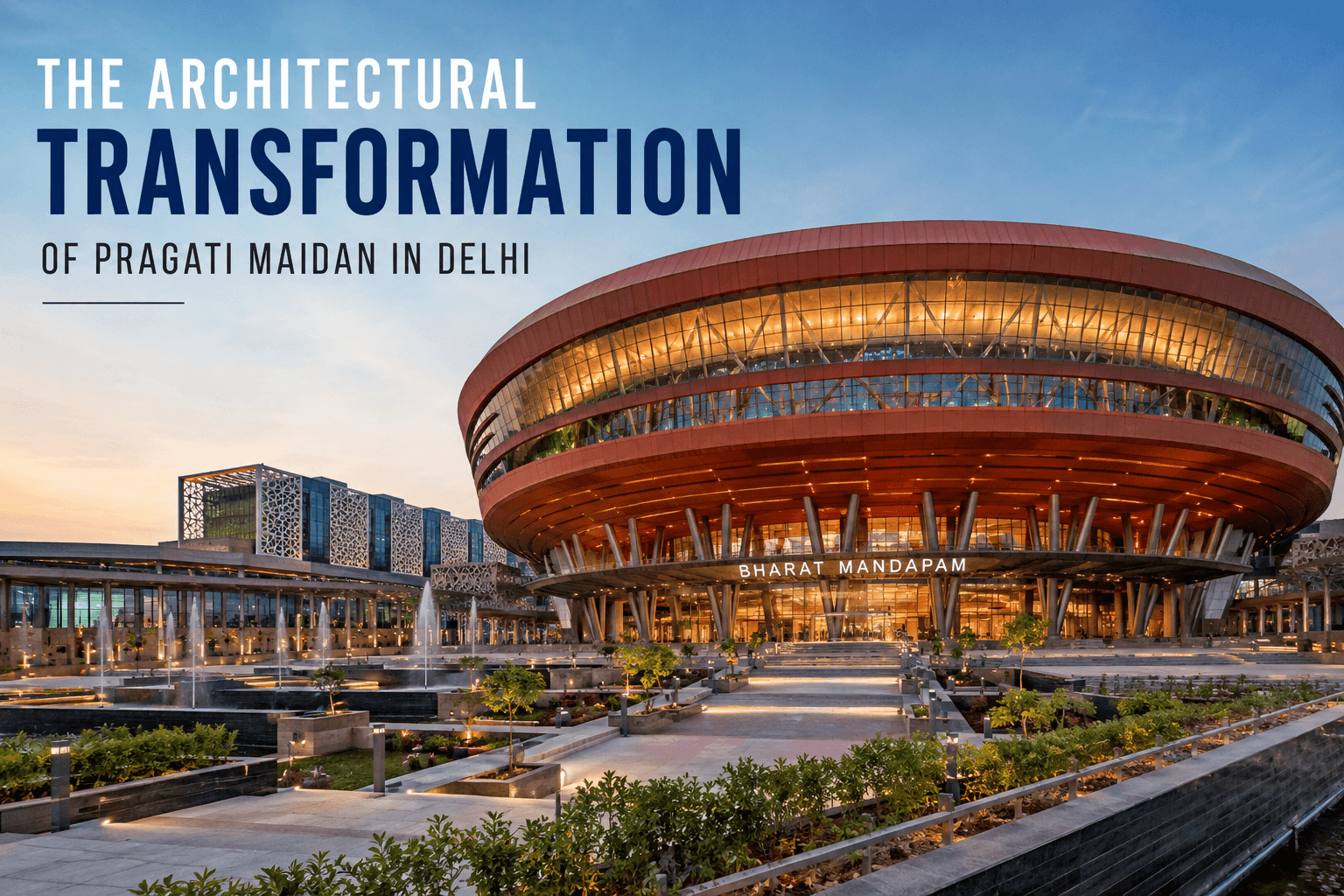
At the heart of the transformation lies Bharat Mandapam, the iconic convention center that has become the architectural centerpiece of Pragati Maidan in Delhi.

Designed with a contemporary Indian identity, Bharat Mandapam combines monumental scale with elegant detailing. The structure showcases how modern architecture can integrate cultural symbolism without appearing overly traditional.

The building’s façade, expansive glass surfaces, geometric forms, and open public spaces create a strong visual presence while maintaining functional efficiency. The architectural language reflects openness, connectivity, and innovation.

One of the most impressive aspects of Bharat Mandapam is its scale. The convention center includes massive exhibition halls, conference facilities, auditoriums, meeting rooms, and event spaces designed to accommodate international summits, exhibitions, and trade events.

The redevelopment has significantly elevated Delhi’s capability to host large-scale global events, including diplomatic gatherings and international conferences.


Modern Architectural Design Elements

https://images.openai.com/static-rsc-4/dBWbE-OqLmaENo6cQL8vKXl8rnYT13NtonZGYfv_DKHxVnxqbyxED5rmBlQBj6l9Vg-DdPnKS0sOP8rt-Hd95PfAzTvsWwGOAaCpmFhIU4yjhen1EN8-US3jurIlvtTQqqc7D2sn6rDngjytGBHs_CAuvc8wfOV6x3sjmsvOFCZwXLISCNRGGbLQzc2LuzTH?purpose=fullsize
https://images.openai.com/static-rsc-4/ziIwNq6AKffCMLZFWe24Dza6xwqWAb55HgvvwkdioYswabR4BaAWxTKkjH3c0QLBxPFVBNhwTyF-ZbSMxCpywHErS822LdDSYBqEQSxJOfrO96z94jBWfJQE2yjESB7mpUn_ZMvwz6r3qu6lNk17GYjF13hWaFS_Ba40XiDz_8AemUELMqMD0UPukVvJ1lxd?purpose=fullsize
https://images.openai.com/static-rsc-4/pPxeXmlHJIyQxygku6E1Kebr0iG03cnYtYsIg-CaT1ydsPvl0KWMetNry43o3RwfkK-aPYyXaIdqOJ2jKfsKR49iIPM1U9dj9Ln2Hb3qqNZDd5yx3CnAlDG0OTLfK0KGHWpgJ9o8LIhVtgcTPDqDS0cxzIawzc7KjVDJm1pfuM25sDaj5xERF4H1irW0RGm3?purpose=fullsize

The architectural transformation of Pragati Maidan in Delhi introduces several modern design principles that define contemporary public infrastructure.

1. Large Open Spaces

One of the key architectural features is the use of large-span structures that create flexible exhibition areas without excessive internal columns. This improves functionality while maintaining visual openness.

2. Glass and Steel Aesthetics

The extensive use of glass façades and steel framing creates a sleek, modern appearance. Natural lighting reduces energy consumption while enhancing the overall user experience.

3. Human-Centric Design

The redevelopment prioritizes pedestrian movement, accessibility, crowd management, and visitor comfort. Wide walkways, organized circulation paths, and intuitive spatial planning improve navigation throughout the complex.

4. Smart Infrastructure Integration

Modern convention centers require technological adaptability. Pragati Maidan incorporates smart lighting systems, digital communication networks, intelligent security systems, and integrated facility management technologies.

5. Sustainable Building Features

Sustainability plays a significant role in the project. Features such as rainwater harvesting, energy-efficient lighting, waste management systems, and optimized ventilation contribute to environmentally responsible architecture.


Urban Connectivity and Infrastructure Improvements

The redevelopment of Pragati Maidan in Delhi extends beyond architecture alone. It also includes major improvements in transportation and urban infrastructure.

The Integrated Transit Corridor (ITC) has dramatically improved connectivity in the surrounding area by reducing traffic congestion and enabling smoother vehicular movement. This infrastructure enhancement reflects how urban design and architecture must work together to improve city functionality.

Additionally, better metro connectivity, parking facilities, and pedestrian infrastructure have transformed visitor accessibility. The project demonstrates the importance of integrated urban planning in large-scale public developments.


The Role of Sustainable Architecture

https://images.openai.com/static-rsc-4/lOVEjJ6X2YHbIDuB4RsEz6btWykxDZAYvtAIbjPrLib-xK-DzlTI3MNqcVRIbwYKBsIbuROxpg6C9uCbt1WvNAKl2-7t063Lg2DLkrN0yQ_sMjbkyK65EsZU86Ub54SN6gC671fSEnepr6mH-djJWC2YtqTZNs_sftxuhyBhXJX60pZMFE12pAYk_QUlcWNl?purpose=fullsize
https://images.openai.com/static-rsc-4/-LzvQbUfdZYtSc0kkIpPRWOQ15BifeWTPDWtG46OFdI4plaf412qMWFUe_ZUlLxxxVmrv7VciRI9WXoIHo4wwu4mc9AWXfWc3rwNEpLTQViJhnWh_HmC5u0nVvm4idYL6riXI1R3lx2MNe-I_Nu9UCRgYdQNV1Wo5mzzU_YlgvOST6cOlXfBRc7T_QCHxV7R?purpose=fullsize
https://images.openai.com/static-rsc-4/VzF6lwyAGVv9Lr7hWiExCGdb0vsSY7Q1nOJdIuxBIL6bI0LCfQvaHLwL0epsyoa4bL1_s9ljppITfz2BCXmXCOLUHzjh0LheJDV94d_Mm8ClBpiCABkGa6Zvwy8Lil_vyGIQ3IiZWU0bw4CD3r-3UaE4oOj11zT7yvLXOtQbTDUqKQpNBzBAa_xNSeAgIazd?purpose=fullsize

Sustainability has become a defining factor in contemporary architecture, and Pragati Maidan in Delhi reflects this global shift.

Modern public buildings are expected to reduce environmental impact while maintaining operational efficiency. The redevelopment incorporates several green building strategies, including:

  • Energy-efficient HVAC systems
  • Natural daylight optimization
  • Water conservation systems
  • Smart waste management
  • Eco-friendly construction materials
  • Efficient landscape planning

These elements contribute to lower energy consumption and improved environmental performance.

The transformation also highlights how sustainable architecture is no longer optional but essential for future-ready urban development.


Cultural Identity in Contemporary Design

One of the most fascinating aspects of Pragati Maidan’s transformation is its balance between international modernism and Indian cultural identity.

Instead of replicating Western architectural styles, the redevelopment incorporates subtle references to Indian art, craftsmanship, and spatial traditions. Bharat Mandapam itself draws inspiration from Indian cultural symbolism while maintaining a distinctly modern appearance.

This approach reflects a growing trend in Indian architecture where designers seek to create globally appealing spaces rooted in local identity.

The result is architecture that feels modern yet contextually relevant — an important principle in successful urban design.


Economic and Urban Impact

The architectural transformation of Pragati Maidan in Delhi has had significant economic and urban implications.

Large convention and exhibition centers contribute to:

  • Tourism growth
  • Business networking
  • International investment
  • Hospitality development
  • Employment generation
  • Urban modernization

By upgrading Pragati Maidan to international standards, Delhi strengthens its ability to attract global events, exhibitions, and conferences. This not only benefits the local economy but also enhances the city’s international reputation.

For architects and urban planners, the project demonstrates how infrastructure development can influence broader economic ecosystems.


Architectural Lessons from Pragati Maidan

https://images.openai.com/static-rsc-4/uvE6bCSb5wDpl_su2cLnb7BUA5IKq2smwtzAkq-cWp31TnVu8VNV0L11o276ESTMRTzIL-BSfAYIYcp1FeF7wDicmNDEQOWjO0P6AWk7R1ft0ikLTj19ZCC6guNRC5vAkOSsW0hIsjWCNQ7BSS73Ej_Lo6DJvZCZglAOJNaiaI9fetciEx0ebNx2_M2CuCj8?purpose=fullsize
https://images.openai.com/static-rsc-4/jWX2iv3XGCo6E0ucXGwQxmHxEeNWjMMQW2YmGWZeJw6pqGa49kS6Fb5rMD1_V8bmxv_Tvzz5kEzlbj2qwj8jyBJ6lMMYFZ1MqqsUHQzr5weUVD4XRboTZji7eUr5Z5mr0Y3-wJMXoiwm5ks-7SSBZaVpOvyuEglxGKLH-sI4mzqfzFbozavrzcvwW3T7bzCY?purpose=fullsize
https://images.openai.com/static-rsc-4/pPxeXmlHJIyQxygku6E1Kebr0iG03cnYtYsIg-CaT1ydsPvl0KWMetNry43o3RwfkK-aPYyXaIdqOJ2jKfsKR49iIPM1U9dj9Ln2Hb3qqNZDd5yx3CnAlDG0OTLfK0KGHWpgJ9o8LIhVtgcTPDqDS0cxzIawzc7KjVDJm1pfuM25sDaj5xERF4H1irW0RGm3?purpose=fullsize

6

The redevelopment offers several important lessons for the architectural and design community.

Flexibility Matters

Modern public spaces must accommodate changing needs. Flexible layouts and modular event spaces increase long-term functionality.

Infrastructure and Architecture Must Align

A successful redevelopment project requires coordination between transportation, urban planning, landscape design, and architecture.

Sustainability is Essential

Environmentally conscious design improves long-term operational efficiency and public value.

Cultural Relevance Enhances Design

Architecture becomes more meaningful when it reflects local identity and cultural context.

Technology Shapes Modern Buildings

Smart systems and digital integration are becoming central to contemporary public architecture.


The Future of Public Architecture in India

The transformation of Pragati Maidan in Delhi represents a broader shift in India’s architectural landscape. Indian cities are increasingly investing in large-scale public infrastructure that combines functionality, aesthetics, sustainability, and technological advancement.

Projects like Pragati Maidan show how architecture can contribute to national identity while meeting international standards.

As India continues urban expansion and infrastructure modernization, architects will play a crucial role in shaping spaces that are efficient, inclusive, and future-ready.

The success of Pragati Maidan may also inspire similar redevelopment projects across other Indian metropolitan cities.


Conclusion

The architectural transformation of Pragati Maidan in Delhi is more than just a redevelopment project — it is a symbol of India’s evolving urban vision. From an aging exhibition ground to a world-class convention and exhibition destination, the transformation reflects innovation, sustainability, and architectural ambition.

With Bharat Mandapam at its center, Pragati Maidan now stands as an example of how modern architecture can successfully merge cultural identity, smart infrastructure, and global functionality.

For architects, designers, and urban planners, the project offers valuable insights into the future of public architecture in India. It demonstrates that thoughtful design has the power to reshape not only buildings but entire urban experiences.

As Delhi continues to evolve as a global city, Pragati Maidan in Delhi will remain a landmark representing progress, design excellence, and the future of contemporary Indian architecture.

Modern House Design of Duplex

Modern House Design of Duplex | Luxury Duplex Interior Ideas in South Delhi

A modern house design of duplex is one of the most preferred choices for families looking for spacious, stylish, and functional living spaces. With contemporary architecture, elegant interiors, and smart space planning, duplex homes offer the perfect combination of privacy and luxury. Whether you are planning to build a new duplex or renovate your existing property, modern duplex house designs create a premium lifestyle experience while efficiently maximising every square foot.

In cities like Delhi, homeowners are increasingly choosing duplex homes because they provide better space management, enhanced aesthetics, and modern living comfort. From open floor plans to minimalist interiors and luxurious staircases, modern duplex homes are transforming urban living.

What is a Modern Duplex House Design?

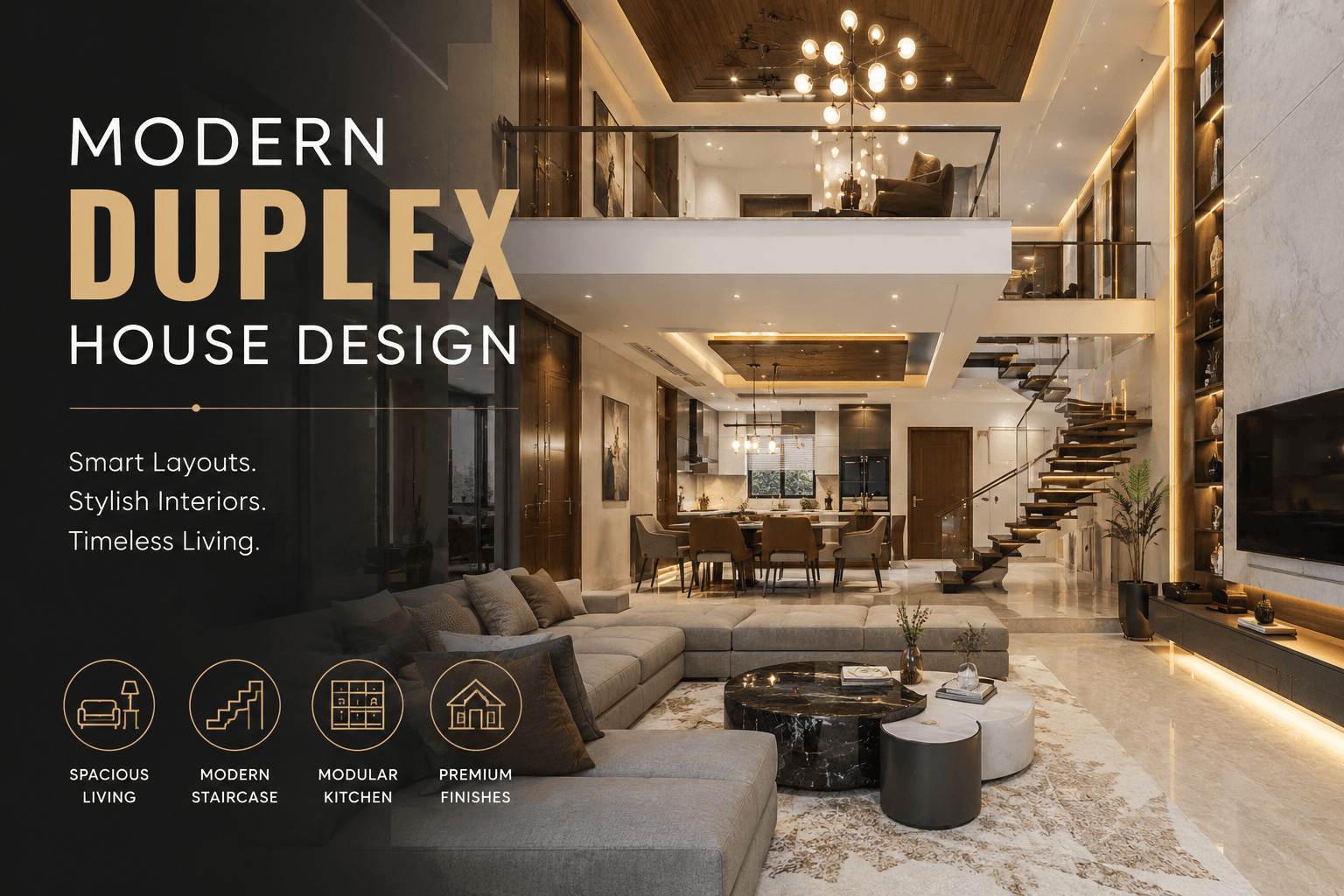
A duplex house is a residential property built on two floors connected internally through a staircase. A modern house design of duplex focuses on clean lines, open spaces, natural lighting, smart storage, and elegant interior styling.

Unlike traditional homes, modern duplex designs prioritise:

  • Open-concept layouts
  • Minimalist interiors
  • Functional furniture
  • Natural ventilation
  • Smart home features
  • Premium finishes
  • Large windows and glass elements

These homes are ideal for growing families, professionals, and homeowners who want both luxury and practicality under one roof.


Key Features of Modern House Design of Duplex

1. Open Floor Layouts

Modern duplex homes usually feature spacious living and dining areas connected seamlessly. Open layouts create better movement, improve natural light flow, and make the home feel larger.

Popular open-plan elements include:

  • Living-dining integration
  • Modular kitchen layouts
  • Double-height ceilings
  • Minimal partitions
  • Wide walkways

This design approach enhances both functionality and visual appeal.


2. Elegant Staircase Design

The staircase becomes a focal point in any modern house design of duplex. Contemporary duplex interiors often use stylish staircases to enhance aesthetics.

Trending staircase styles include:

  • Floating staircases
  • Glass railing stairs
  • Wooden treads with metal frames
  • Spiral staircases
  • Minimalist concrete stairs

A beautifully designed staircase adds sophistication and creates a luxurious interior atmosphere.


3. Smart Space Utilisation of the modern house design of duplex

Modern duplex interior design focuses heavily on optimising available space. Designers use innovative layouts and multifunctional furniture to improve usability without overcrowding the home.

Smart storage solutions include:

  • Under-stair storage
  • Built-in wardrobes
  • Hidden cabinets
  • Modular furniture
  • Wall-mounted shelves

Efficient planning ensures the duplex remains spacious, organised, and visually balanced.


Interior Design Ideas for Modern Duplex Homes

Minimalist Living Room Design

Minimalism is one of the biggest trends in modern duplex interiors. Neutral colours, sleek furniture, and clutter-free layouts create a calm and elegant environment.

Popular living room elements include:

  • Beige and white colour palettes
  • Large sectional sofas
  • Wooden textures
  • Accent lighting
  • Modern wall panels
  • Indoor plants

A minimalist design makes the duplex look premium while maintaining functionality.


Modular Kitchen for Duplex Homes

A modular kitchen is essential in any modern house design of duplex because it improves convenience, aesthetics, and storage.

Key modular kitchen features include:

  • Handleless cabinets
  • Quartz countertops
  • Smart appliances
  • Breakfast counters
  • Soft-close drawers
  • LED lighting

Open kitchens connected with dining areas are especially popular in contemporary duplex homes.


Luxury Bedroom Interiors

Modern duplex bedroom designs focus on comfort, elegance, and relaxation. Designers often use soft textures, layered lighting, and modern furniture to create cozy spaces.

Bedroom trends include:

  • Upholstered headboards
  • Wooden flooring
  • Walk-in wardrobes
  • Ambient lighting
  • Minimal décor
  • Floor-to-ceiling curtains

Large windows and natural lighting further enhance the luxurious feel of duplex bedrooms.


Modern Exterior Design for Duplex Houses

The exterior appearance of a duplex home plays a major role in creating a strong first impression. Modern architectural designs emphasise simplicity, geometric structures, and premium materials.

Popular exterior features include:

  • Glass facades
  • Stone cladding
  • Wooden textures
  • Landscape gardens
  • Balcony lighting
  • Large windows
  • Neutral exterior colors

A modern façade gives the property a sophisticated and timeless appearance.


Benefits of Choosing a Modern House Design of Duplex

Better Privacy

Duplex homes provide separate zones for different activities. Usually, common areas are placed on the ground floor, while bedrooms are located upstairs for better privacy.


More Living Space

Compared to standard apartments, duplex homes offer significantly larger living spaces, making them ideal for families.


Higher Property Value

A well-designed modern duplex home often has better resale and rental value because of its luxurious layout and premium appeal.


Customization Flexibility

Homeowners can personalise the design according to their lifestyle preferences, including:

  • Home office spaces
  • Entertainment rooms
  • Smart automation
  • Terrace gardens
  • Kids’ play areas

Latest Trends in Modern Duplex Interior Design

Smart Home Integration

Technology is becoming an important part of modern duplex homes. Smart systems improve convenience, security, and energy efficiency.

Popular smart features include:

  • Smart lighting
  • Voice-controlled devices
  • Automated curtains
  • Smart locks
  • CCTV integration
  • Climate control systems

Sustainable Design Elements

Eco-friendly interior design is becoming increasingly popular in duplex homes.

Sustainable features include:

  • Energy-efficient lighting
  • Natural ventilation
  • Solar panels
  • Eco-friendly materials
  • Water-saving fixtures

These features reduce energy consumption while promoting healthier living.


Neutral & Earthy Colour Palettes

Modern duplex interiors often use earthy shades like:

  • Beige
  • Ivory
  • Grey
  • Olive green
  • Warm wood tones

These colours create a calm, timeless, and elegant ambience.


Why Professional Interior Designers Matter

Designing a duplex home requires expert planning and execution. Professional interior designers help balance aesthetics, comfort, and functionality while avoiding costly mistakes.

Experienced designers assist with:

  • Space planning
  • Material selection
  • Lighting design
  • Furniture layout
  • False ceiling design
  • Color coordination
  • Customized interiors

Working with expert interior designers ensures your modern house design of duplex perfectly reflects your lifestyle and personality.


Conclusion

A modern house design of duplex offers the perfect balance between luxury, comfort, and functionality. With contemporary interiors, open layouts, smart storage, and elegant architectural elements, duplex homes provide a sophisticated lifestyle experience for modern families.

Whether you prefer minimalist interiors, luxury décor, or smart home integration, a well-designed duplex can transform everyday living into something truly exceptional. Investing in professional interior design services ensures your duplex home remains visually stunning, highly functional, and future-ready.

If you are planning a modern duplex home in South Delhi, choosing experienced interior designers can help bring your dream home vision to life with precision and creativity.


FAQs

1. What is a modern duplex house design?

A modern duplex house design is a two-floor residential home featuring contemporary architecture, open layouts, minimalist interiors, and smart space planning.


2. Why are duplex homes popular in urban areas?

Duplex homes offer larger living spaces, better privacy, modern aesthetics, and higher property value, making them ideal for urban families.


3. Which colours work best for modern duplex interiors?

Neutral shades like beige, white, grey, and earthy tones work best because they create a spacious and elegant ambience.


4. How can I make my duplex home look luxurious?

You can add luxury through premium materials, designer lighting, modular furniture, elegant staircases, and customised interiors.


5. Is modular kitchen design suitable for duplex homes?

Yes, modular kitchens are highly suitable for duplex homes because they improve functionality, storage, and modern aesthetics.


6. Why should I hire professional interior designers for duplex homes?

Professional interior designers help optimise space, improve functionality, select premium materials, and create visually appealing interiors tailored to your lifestyle.

For more details, contact us on WhatsApp.

interior design of master bedroom

Interior Design of Master Bedroom: 10 Elegant Ideas to Create a Luxurious and Functional Space

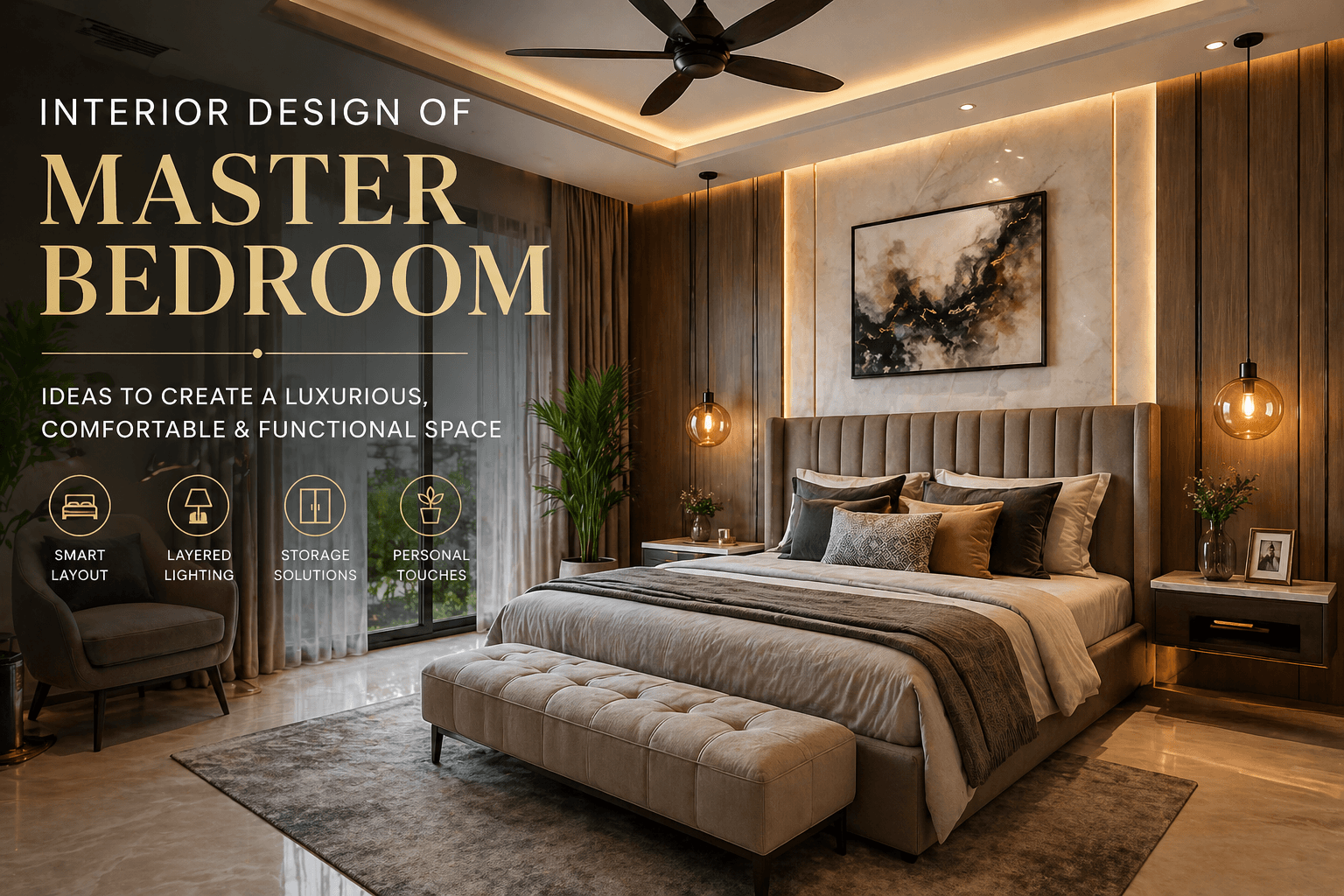
A master bedroom is more than just a place to sleep—it is your private retreat, a space for comfort, relaxation, and personal style. Thoughtful interior design of master bedroom spaces can transform an ordinary room into a luxurious sanctuary that reflects both functionality and aesthetics.

Whether you prefer a modern minimalist look, timeless elegance, or cosy contemporary interiors, the right planning can elevate your bedroom experience. In this guide, we explore practical and inspiring ideas for the interior design of master bedroom spaces.

1. Start with a Functional Layout

A well-planned layout is the foundation of successful interior design of master bedroom projects.

Consider:

  • Bed placement as the focal point
  • Walking space around furniture
  • Window positioning for natural light
  • Placement of wardrobes and storage
  • Reading corners or lounge seating

Avoid overcrowding the room. A spacious layout makes the bedroom feel luxurious and calming.

For professional planning ideas, explore expert interior design of master bedroom solutions for customised spaces.

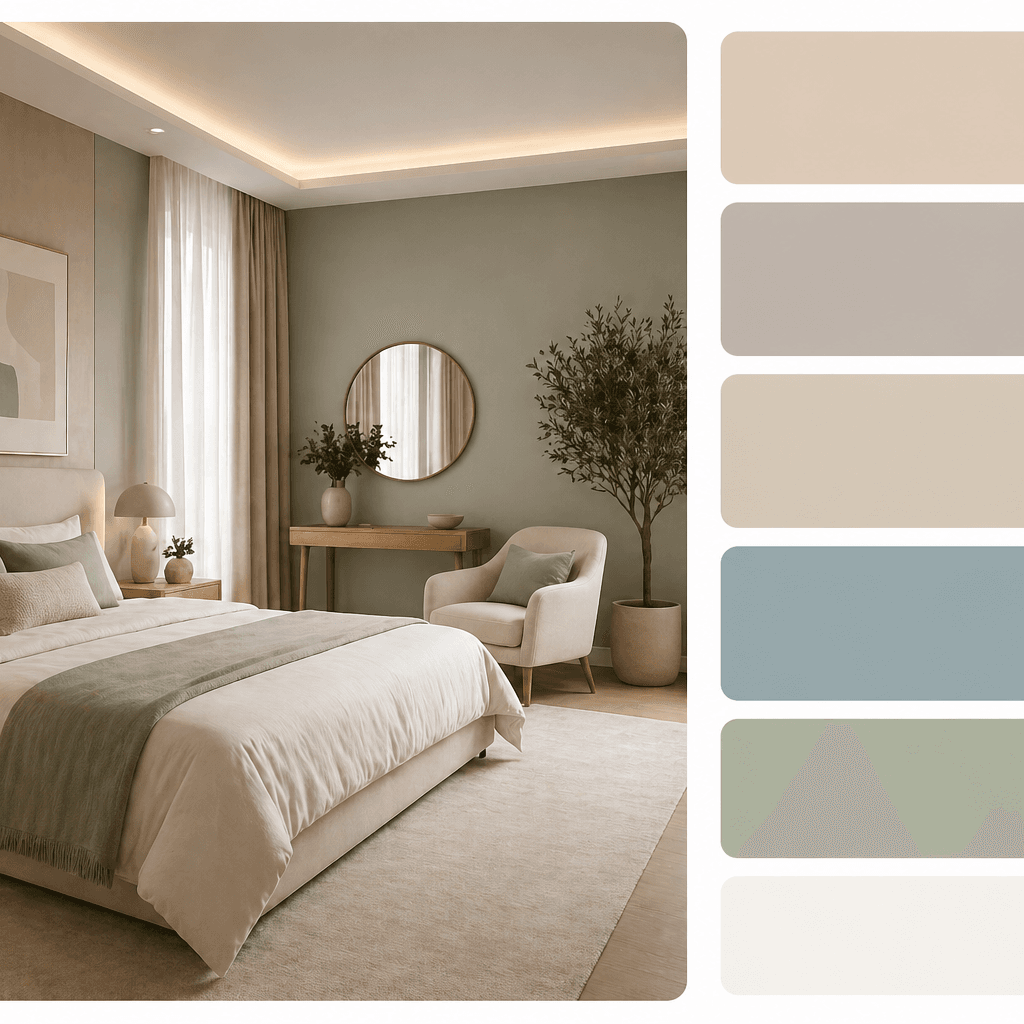
2. Choose a Soothing Colour Palette

Colour has a major impact on mood and ambience.

Popular bedroom shades include:

  • Soft beige
  • Warm greys
  • Earthy neutrals
  • Muted blues
  • Sage green
  • Off-whites

In interior design of master bedroom concepts, layered neutral palettes often create timeless elegance.

Accent walls behind the bed can add depth without overwhelming the space.

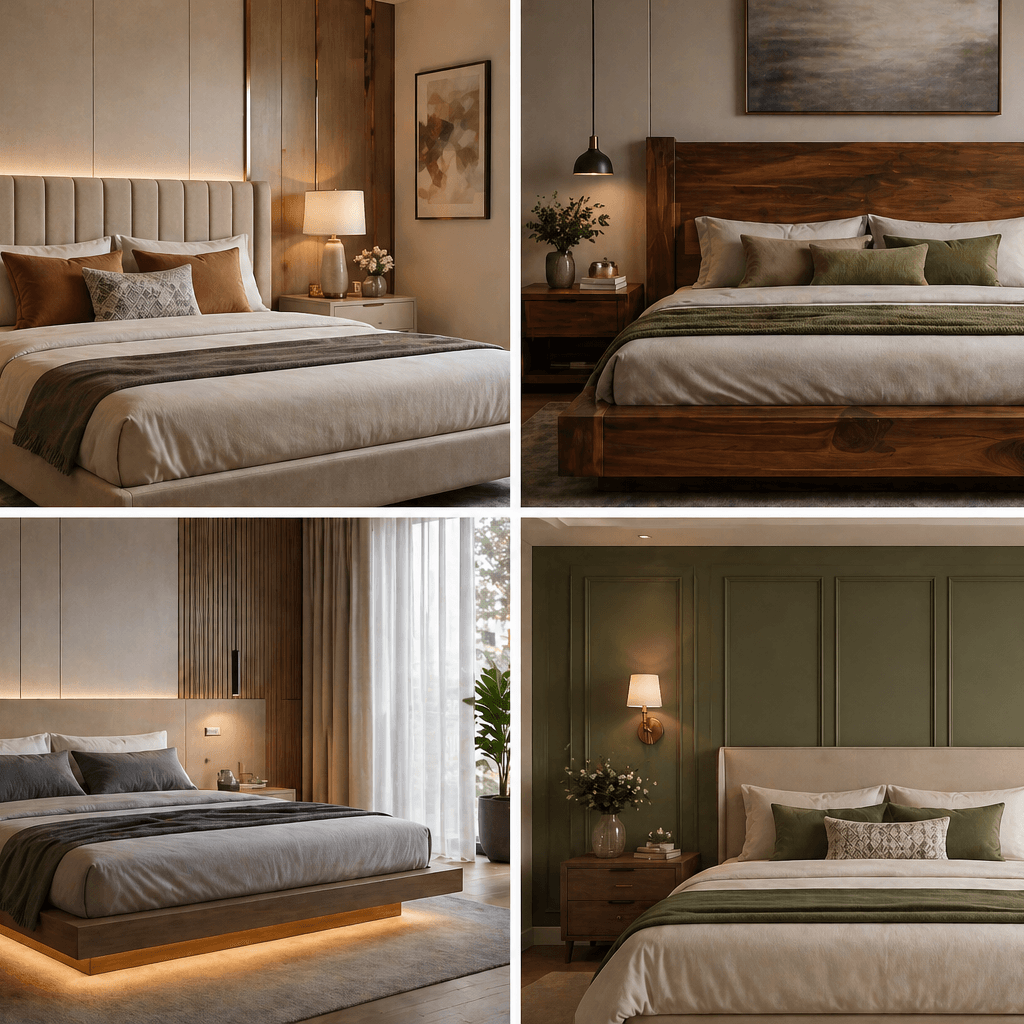
3. Invest in Statement Bed Design

The bed is naturally the focal point in any interior design of master bedroom project.

Consider:

  • Upholstered headboards
  • Wooden statement beds
  • Floating platform beds
  • Panelled feature walls behind bed

A well-designed headboard wall can instantly create a premium hotel-like look.

4. Layer Your Lighting

Lighting is one of the most overlooked elements in interior design of master bedroom spaces.

Use layered lighting:

Ambient Lighting

General ceiling lighting for overall illumination.

Task Lighting

  • Bedside lamps
  • Reading lights
  • Vanity lights

Accent Lighting

  • Cove lights
  • Pendant lights
  • Wall sconces

Warm lighting helps create a relaxing atmosphere.

5. Add Smart Storage Solutions

Storage is essential in modern interior design of master bedroom planning.

Ideas include:

  • Sliding wardrobes
  • Walk-in closets
  • Hydraulic storage beds
  • Built-in cabinets
  • Floating nightstands

Smart storage reduces clutter and improves functionality.

Customized wardrobes also enhance the visual appeal of the room.

6. Focus on Soft Furnishings

Textiles add warmth, texture, and comfort.

Include:

  • Layered bedding
  • Upholstered cushions
  • Rugs
  • Curtains
  • Throws

In premium interior design of master bedroom concepts, fabrics often bring the entire room together.

Choose textures like linen, velvet, cotton, or boucle for richness.

7. Add a Feature Wall

Feature walls are a major trend in interior design of master bedroom spaces.

Options:

  • Wooden panels
  • Wallpaper
  • Fluted panels
  • Stone cladding
  • Textured paint finishes

A feature wall adds character while making the room visually sophisticated.

8. Include a Seating Corner

If space allows, create a private lounge area.

Ideas:

  • Accent chair and side table
  • Window seating
  • Bench at bed end
  • Small sofa corner

This makes interior design of master bedroom layouts feel more luxurious and multifunctional.

Perfect for reading, relaxing, or morning coffee.

9. Use Décor with Restraint

Avoid overdecorating.

Choose intentional pieces:

  • Artwork
  • Mirrors
  • Indoor plants
  • Sculptural lighting
  • Elegant bedside accessories

Minimal yet curated décor often works best in interior design of master bedroom projects.

Remember—less can feel more luxurious.

10. Add Personalization

The best interior design of master bedroom spaces feel personal.

Include elements that reflect your lifestyle:

  • Favorite art
  • Travel-inspired décor
  • Family photographs
  • Custom furniture pieces
  • Personal reading collection

Luxury often lies in personalization.

Popular Master Bedroom Design Styles

Modern Minimalist

Clean lines, neutral colors, uncluttered aesthetics.

Contemporary Luxury

Statement lighting, textured walls, premium finishes.

Classic Elegance

Mouldings, rich fabrics, timeless furniture.

Scandinavian

Light woods, simplicity, warmth.

Choosing a cohesive style makes interior design of master bedroom planning much easier.

Common Mistakes to Avoid

Overcrowding Furniture

Too much furniture reduces openness.

Poor Lighting Planning

Single overhead lights rarely work well.

Ignoring Storage

Beauty without functionality leads to clutter.

Wrong Scale Furniture

Oversized furniture can overwhelm a room.

Too Many Colors

A controlled palette keeps interior design of master bedroom schemes elegant.

How to Make a Master Bedroom Look Luxurious

You don’t always need a huge budget.

Simple upgrades:

  • Upgrade headboard
  • Add layered lighting
  • Use premium bedding
  • Install floor-to-ceiling curtains
  • Add a feature wall
  • Use coordinated finishes

These small details dramatically improve interior design of master bedroom aesthetics.

Customized Interior Design Matters

Every bedroom has different:

  • Dimensions
  • Lighting conditions
  • Storage needs
  • Style preferences

That’s why customized design often creates better results than generic layouts.

For expert consultations and tailored design assistance, connect directly on WhatsApp:
https://wa.me/919990632664

Professional guidance can help bring your vision to life.

Final Thoughts

Thoughtful interior design of master bedroom planning blends comfort, style, and practicality. From layout and lighting to furniture and personal touches, every detail contributes to creating a space you truly enjoy living in.

Whether you prefer modern luxury, understated elegance, or warm contemporary interiors, smart design choices can transform your master bedroom into a relaxing sanctuary.

Start with a strong layout, layer textures and lighting, add personalised details, and invest in functional beauty. The result is a bedroom that feels timeless, luxurious, and uniquely yours.